The Rise of Digital Currencies and Central Bank Digital Currencies (CBDCs)
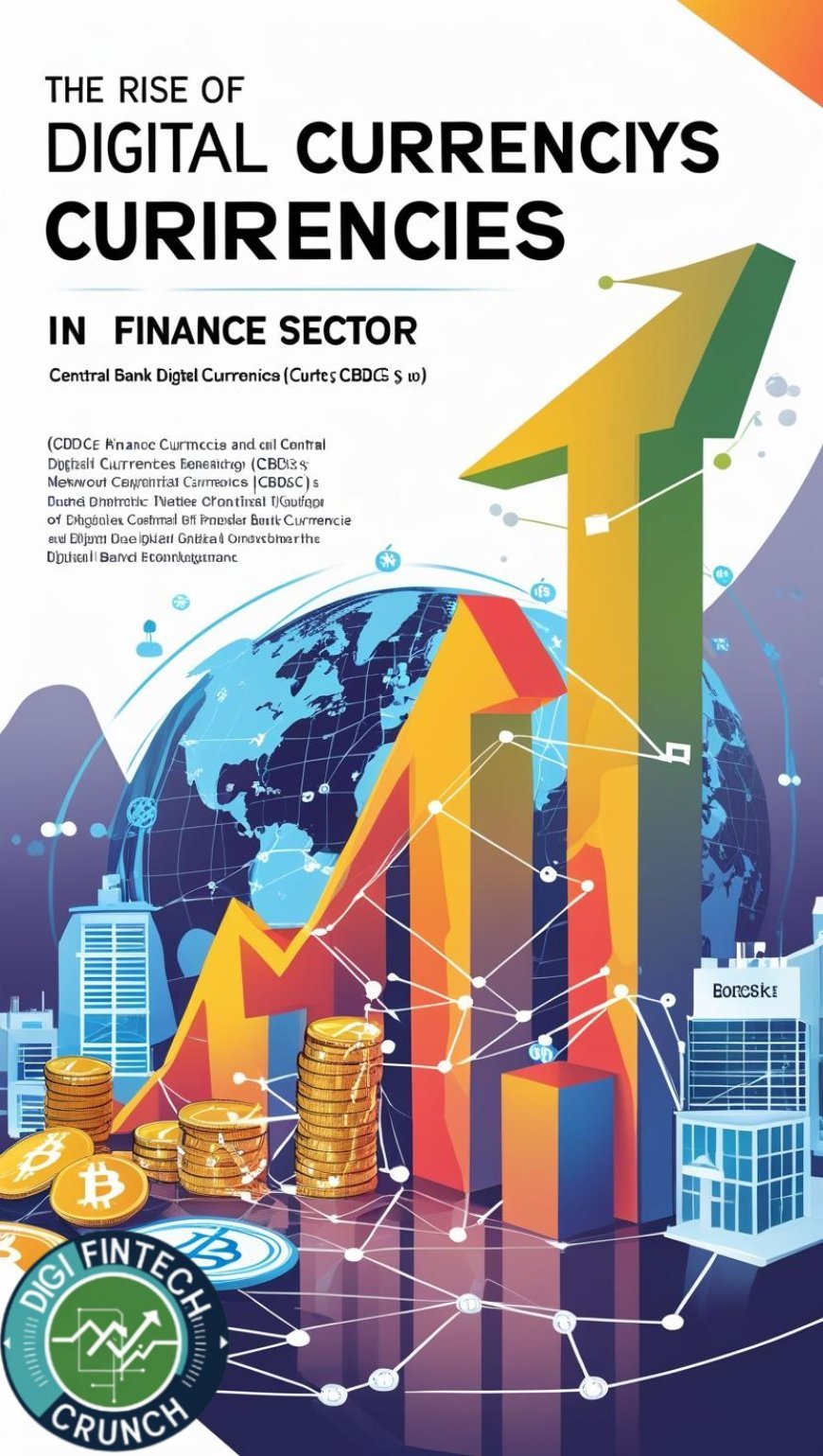
The Rise of Digital Currencies and Central Bank Digital Currencies (CBDCs)
The world of money is undergoing a silent revolution. It’s not loud or flashy, but its impact is profound and far-reaching. Digital currencies-once confined to tech circles and early adopters-have now become a topic of boardroom discussions, regulatory debates, and global policymaking. And at the heart of this transformation lies the rise of Central Bank Digital Currencies (CBDCs), a concept that just a few years ago seemed futuristic but now feels inevitable.
What’s pushing this momentum is not just innovation for its own sake-it’s the growing demand for faster, more secure, and inclusive ways to transact in a digital-first economy. People are paying with smartphones, businesses are automating cross-border transactions, and entire financial ecosystems are being built in the cloud. Against this backdrop, traditional paper money starts to look like a relic of a slower time.
CBDCs are the public sector’s answer to this shift. Unlike cryptocurrencies such as Bitcoin, CBDCs are issued and backed by a country's central bank. This makes them legal tender, with all the trust and stability that implies-but combined with the speed and convenience of digital assets. For consumers, using a CBDC might look no different than using a mobile wallet today, but under the hood, it represents a new monetary infrastructure with the potential to reshape how economies function.
For governments and central banks, CBDCs offer a powerful tool. They could improve financial inclusion by giving unbanked populations access to secure digital payments. They might enhance the transparency and efficiency of welfare distribution, tax collection, and even monetary policy. In crises, like a pandemic or natural disaster, CBDCs could allow aid to be distributed swiftly and directly.
But like any powerful innovation, this one comes with questions-important ones. How will privacy be protected? Will central banks have too much visibility into individuals’ financial lives? Can CBDCs coexist with traditional banking models, or will they disrupt them? These are not abstract concerns-they reflect a deep need to balance innovation with human rights and institutional stability.
In parallel, the private sector is not sitting still. Tech companies and financial firms continue to explore stablecoins and blockchain-based tokens, challenging the traditional notion of who gets to issue currency. This creates both competition and collaboration with central banks, leading to a complex, dynamic landscape where public and private interests intersect.
Still, the writing on the wall is clear: digital currencies are not a passing trend. Whether driven by government policy, market demand, or sheer convenience, money is going digital. The question now is not if, but how-and how wisely we navigate the transition.