The Evolution of Payment Systems: From Cashless to Contactless
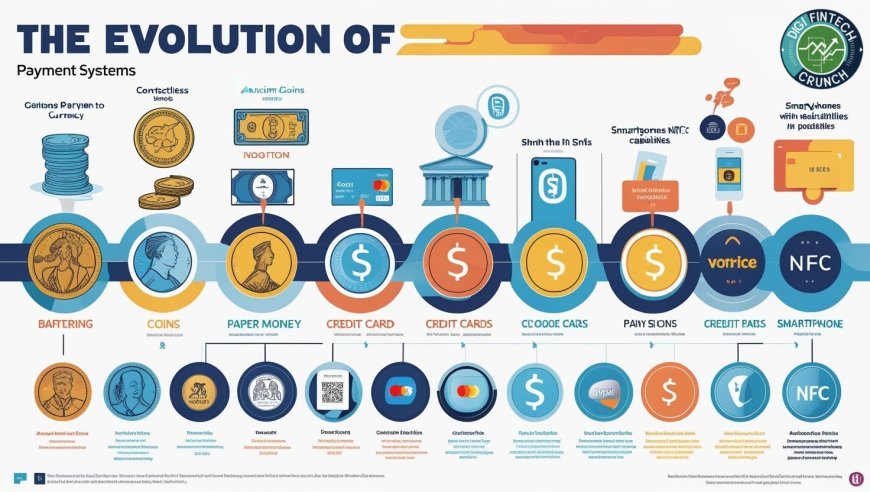
The Evolution of Payment Systems: From Cashless to Contactless
The way we pay has undergone a quiet revolution. Just a couple of decades ago, cash was king. Today, with a simple tap of a card or a wave of a phone, a transaction is complete in seconds. The shift from cashless to contactless payments reflects not just a technological advancement, but a broader change in our habits, values, and expectations around convenience, safety, and speed.
The journey began with the move to cashless payments-credit and debit cards gradually replacing physical bills and coins. At first, it was a matter of efficiency and record-keeping. Digital transactions provided clearer trails, reducing the risk of theft and making budgeting easier for consumers and businesses alike. For many, swiping a card became second nature.
Then came the next leap: contactless payments. Driven by advancements in near-field communication (NFC) technology, it became possible to complete purchases with a simple tap-no PINs, no signatures. What initially seemed like a novelty quickly became a necessity. The COVID-19 pandemic played a key role in accelerating this trend, as people sought safer, touch-free ways to make everyday transactions. Hygiene and speed converged, making contactless not just a convenience but a preference.
But the evolution didn’t stop at cards. Smartphones, smartwatches, and even fitness bands have become payment tools. Services like Apple Pay, Google Pay, and various mobile wallets have blurred the lines between tech and finance. Payments have become embedded into the devices we carry every day, seamlessly integrated into our digital lives.
This transformation goes beyond convenience. Contactless and digital payment systems have played a role in increasing financial inclusion. For individuals without access to traditional banking, mobile payment systems have provided a gateway to financial services, especially in developing regions. In places where carrying cash once meant risk, a phone now opens the door to secure transactions, savings, and credit.
Businesses, too, have had to adapt. From large retailers to small street vendors, accepting digital payments is no longer optional. The ability to handle contactless transactions is a key part of staying competitive. And with that shift comes access to richer customer insights, helping businesses understand buying behavior and tailor experiences more effectively.
Still, the journey is not without its challenges. Concerns about data security, digital privacy, and the growing dependence on technology continue to surface. There are also worries about those who are left behind-people who may not have access to the required devices or digital literacy to keep up with these changes. The evolution must be inclusive, ensuring that technology doesn't create new divides.
Looking ahead, the future of payments may be even more frictionless-biometric authentication, voice-command payments, and blockchain-backed systems are already on the horizon. But at its core, this evolution is about making money movement easier, safer, and more human.