Cybersecurity Challenges in Finance: Protecting Digital Assets
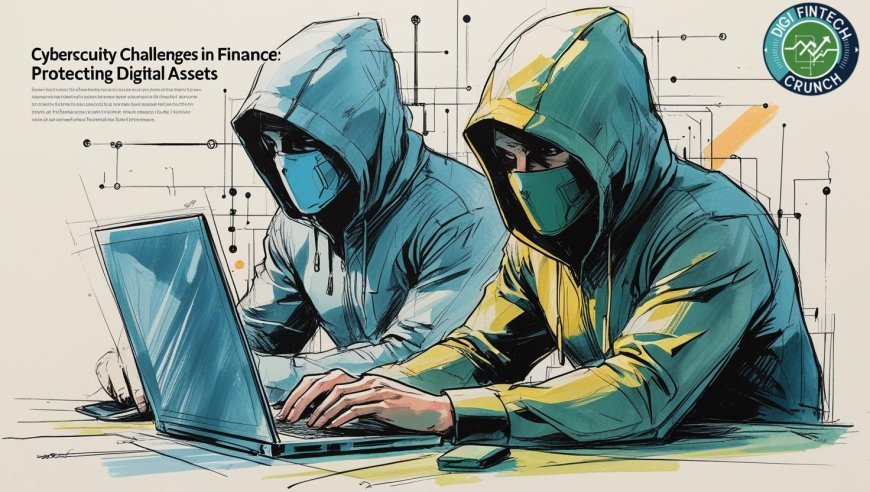
Cybersecurity Challenges in Finance: Protecting Digital Assets
The financial world, long defined by ledgers and vaults, now lives almost entirely in the digital realm. With this transformation comes enormous convenience-but also unprecedented risk. Cybersecurity in the financial sector has become one of the most critical pillars of trust, stability, and resilience. As transactions, customer data, trading platforms, and even currencies go digital, safeguarding these assets has become both a technical and human challenge.
Financial institutions have always been a prime target for criminals, but the digital era has broadened the attack surface dramatically. Today’s hackers aren’t just lone actors-they are often highly organized groups with access to advanced tools and techniques. From phishing scams and ransomware to DDoS attacks and insider threats, the methods are constantly evolving, making cybersecurity a never-ending race against time and innovation.
One of the biggest hurdles facing the finance sector is the sheer scale of data being managed. Every second, millions of transactions take place around the globe. Each one is a potential target. The sensitivity of this information-social security numbers, account details, personal identification-means that even a minor breach can have devastating consequences for both individuals and institutions.
Complicating matters further is the rapid adoption of new technologies. Mobile banking, fintech platforms, blockchain, and open banking APIs are revolutionizing the way we manage money, but they also introduce new vulnerabilities. Every new app or integration point can become an entryway for cybercriminals if not properly secured.
Cloud computing adds another layer of complexity. While it offers scalability and efficiency, cloud environments require careful configuration and constant monitoring to ensure they remain secure. Missteps here can lead to unauthorized access or data leaks, especially when third-party providers are involved.
Beyond the technical threats, there is also the human factor. Employees remain one of the weakest links in cybersecurity. Whether through carelessness, social engineering, or intentional wrongdoing, insiders can pose a significant risk. Regular training and awareness are essential, but they must be part of a broader culture of security that starts at the top.
Regulatory pressure is also increasing. Governments and international bodies are rolling out stricter compliance requirements, from GDPR to PCI-DSS and regional cybersecurity frameworks. While these measures are critical, they can be challenging to navigate, especially for smaller financial institutions without robust IT departments.
In this high-stakes environment, trust is everything. Customers want to know their money and personal data are safe. They expect banks and fintech companies to not only respond swiftly to incidents but to anticipate and prevent them. This means investing in robust security systems, employing threat intelligence, adopting a zero-trust approach, and being transparent about cybersecurity practices.
Cybersecurity in finance is no longer just an IT issue-it’s a business imperative. Protecting digital assets requires vigilance, adaptability, and a deep understanding that behind every transaction is a person relying on the system to work-and to be safe.