The Role of Big Data Analytics in Financial Decision-Making
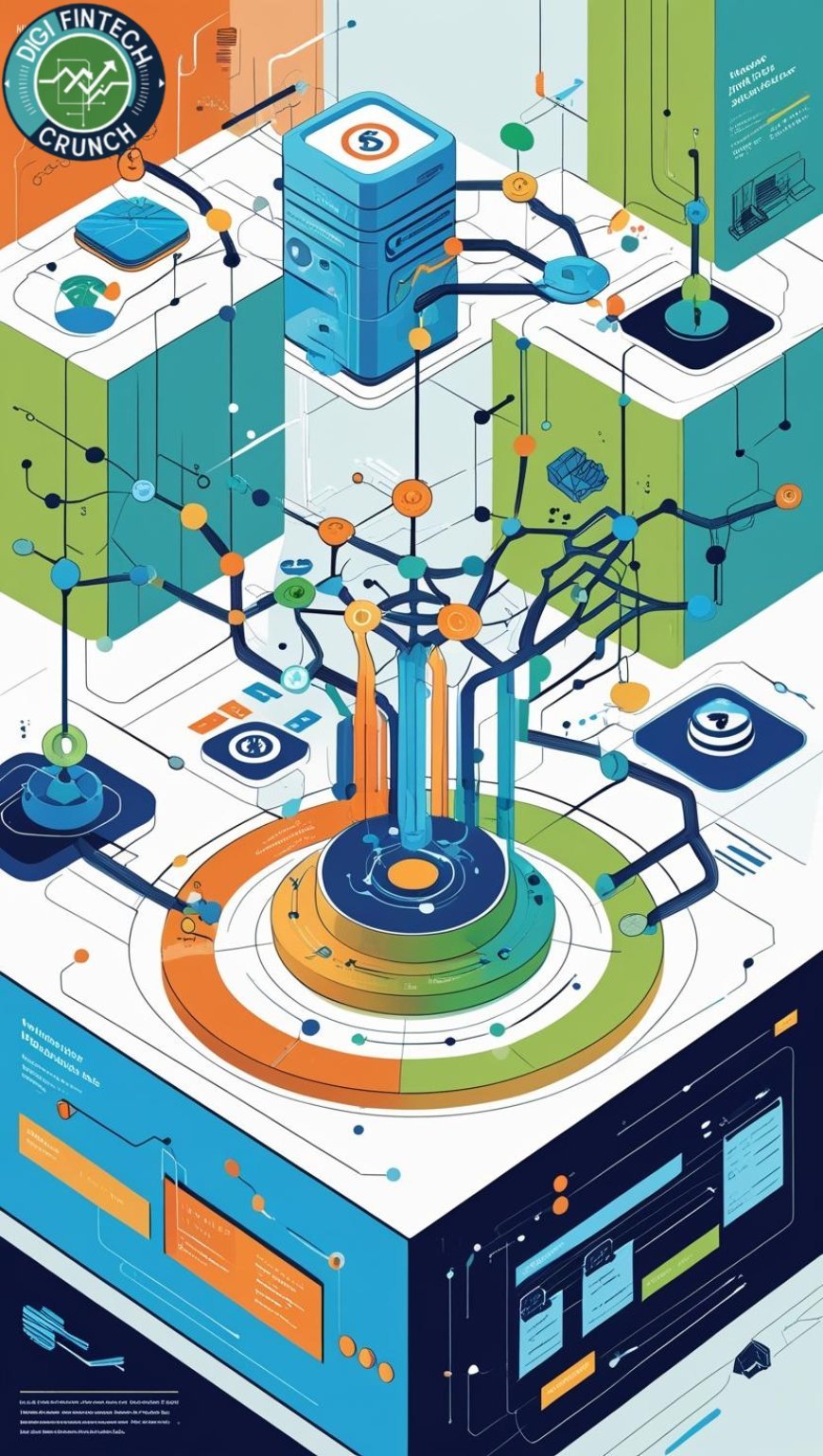
The Role of Big Data Analytics in Financial Decision-Making
In the fast-paced world of finance, decisions are no longer made in boardrooms with spreadsheets alone. Today, big data analytics is at the heart of how financial institutions, investors, and even everyday consumers make choices about money. The sheer volume, velocity, and variety of financial data available in 2025 is staggering-and what sets successful financial decision-makers apart is their ability to harness it wisely.
Big data analytics isn’t just about crunching numbers. It’s about finding patterns, predicting trends, and making informed decisions in real time. In the past, financial institutions relied heavily on historical data and reactive strategies. Now, with big data, the game has shifted toward prediction and precision. Markets move quickly, and so must the responses. Whether it’s assessing credit risk, forecasting investment opportunities, or detecting fraudulent activity, big data provides the clarity needed in the chaos.
For example, think about how banks assess loan applicants. It’s not just about credit scores anymore. Big data allows institutions to analyze a person’s digital footprint-how they spend, where they shop, even what time they’re most active online. These insights create a more complete picture, enabling more personalized and often fairer lending decisions. It’s financial inclusion powered by information.
Investment firms, too, are riding the big data wave. Algorithms process millions of data points from news articles, social media sentiment, market trends, and geopolitical events-all in real time. This helps portfolio managers make faster, more accurate investment choices. In many ways, big data gives firms the ability to see around corners, spotting risks and opportunities before they fully emerge.
But perhaps the most fascinating transformation is happening at the individual level. Financial planning apps, powered by big data, now offer hyper-personalized advice. They learn from a person’s spending habits, income patterns, and life goals to provide tailored guidance. The advice feels more human, even though it’s built on layers of complex analytics.
Of course, with this power comes responsibility. The ethical use of data, transparency in algorithms, and the risk of over-reliance on machine-driven insights remain concerns. There's a fine line between helpful personalization and intrusive profiling. And while big data can suggest what might happen, it can’t always explain why. That’s where human judgment and emotional intelligence still matter.
Big data analytics is not replacing human decision-making-it’s enhancing it. It’s giving people and institutions the ability to act with more clarity, confidence, and agility. Finance is, after all, about choices. And with the right data, those choices become smarter.
As we move deeper into a digital financial ecosystem, the role of big data will only grow. But at the core, it’s still about people-making decisions that impact lives, dreams, and futures. Big data is the compass, but it’s up to us to steer the ship.